Summer Wines Are Not Lesser Wines
The prejudice that still follows summer wines
For decades, a summer wine meant a simple wine. Easy to drink, easy to forget: a wine to cool you down, not one to pay attention to.
That association took such deep root that, even today, many people hear “summer wine” and think of something lesser. Less complex, less serious, less worthy of attention.
But freshness is not the same as simplicity. And lightness is not the same as a lack of rigour.
Making a great summer wine can demand as much technical knowledge as making a great red for laying down. The knowledge is simply applied to a different goal.
This piece looks at summer wines without that prejudice: as a category that asks for as many decisions, as much precision and as much care as any other style of wine.
Freshness is a technical achievement, not an accident
A wine that stays fresh and lively in the heat of August is not born by luck.
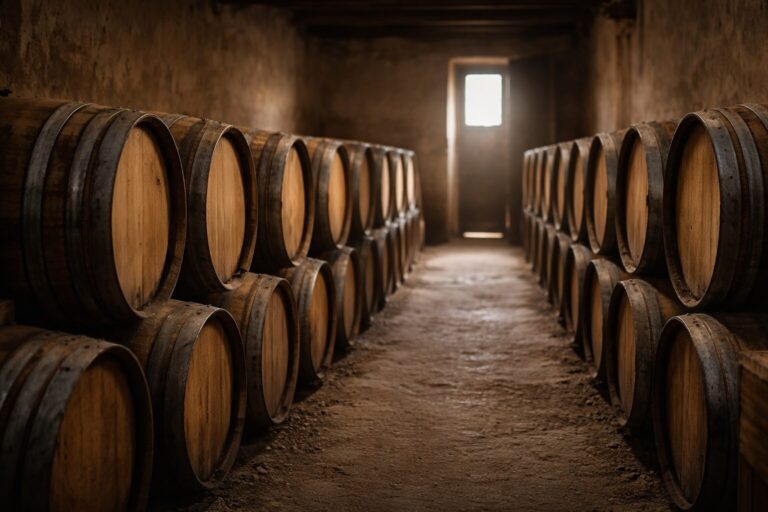
It comes from precise decisions in the vineyard: the right moment to pick, the sun exposure of the plot, canopy management, yield control. And from precise decisions in the cellar: cooler fermentations, minimal contact with oxygen, ageing times designed to preserve rather than to build weight.
Keeping acidity alive, primary aroma intact and the finish dry and direct takes as much control as concentrating a wine of structure.
The difference lies in the goal. Not in the rigour.
And it is that rigour, invisible to anyone who only drinks the wine, that separates a well-made summer wine from a drink that is merely sweet and without direction.


Served cool and at the right temperature, a good summer wine shows everything it has and is ready for the table.
The right temperature and the right dish reveal the wine’s true character
Even the best-made summer wine can be ruined by one simple detail: the wrong temperature.
Served too warm, it loses its freshness and the acidity disappears behind the alcohol. Served too cold, the aroma is muted and the fruit goes silent in the glass. As this introduction to serving wine explains, the temperature at which a summer wine is served can weigh as much on the result as the wine itself.
The ice bucket, so often treated as decoration, is in fact a precision tool. Between 8°C and 12°C, most white and rosé summer wines show the balance they were made for.
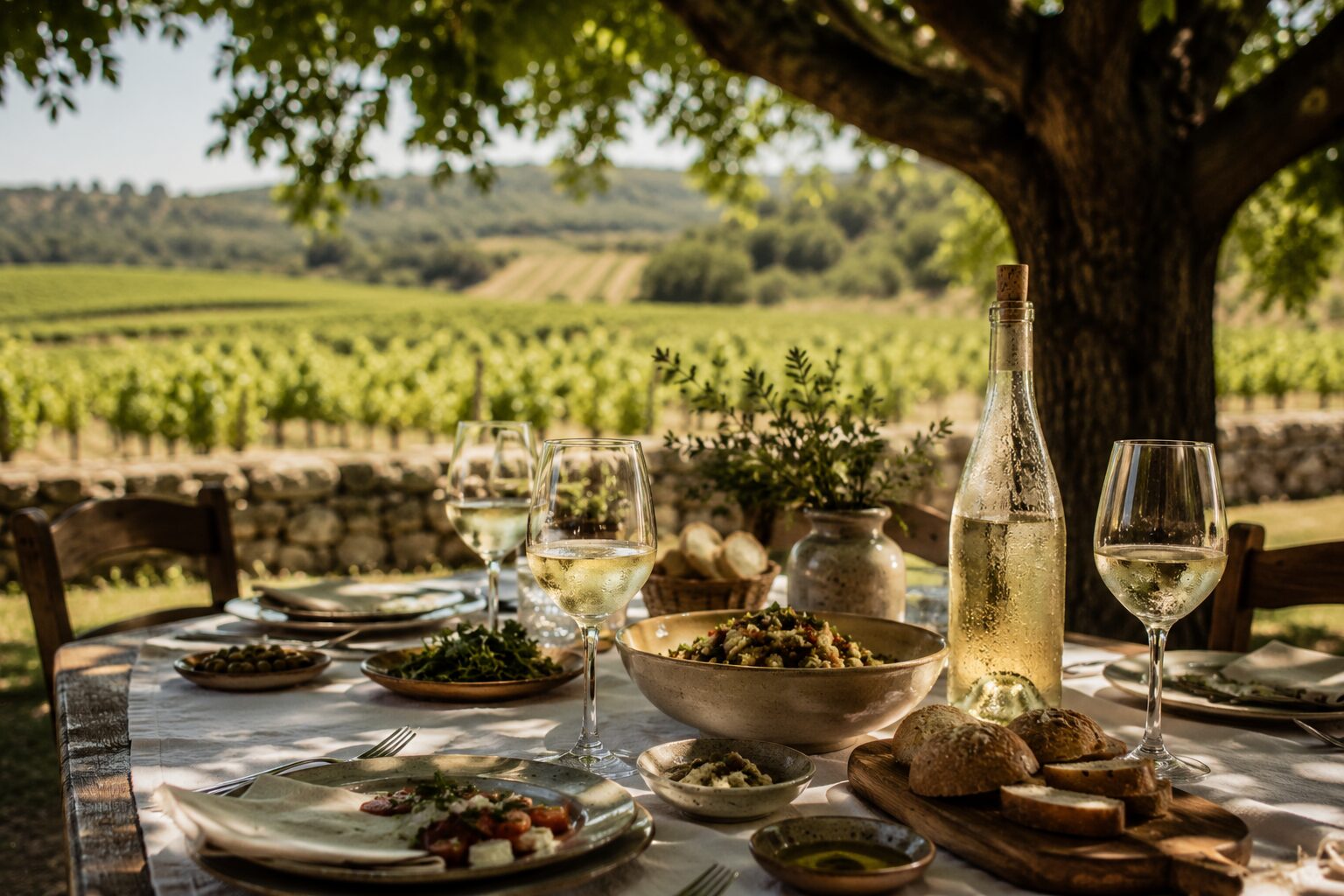
At the table these wines make even more sense. They go with grilled fish, shellfish, salads and simple summer dishes, not because they are “easy” wines, but because their freshness was designed to balance direct flavours without competing with them.
A summer wine served well, at the right temperature and at the right table, reveals everything a hurried tasting in a glass that is too warm would never let you notice.
The mistake of confusing lightness with a lack of character
There is a dangerous tendency to think that because a wine is light, it can be made with less care.
That is exactly the mistake that separates a memorable summer wine from a forgettable one.
A badly made light wine shows everything it lacks: thin fruit, unbalanced acidity, a short finish with no direction. A well-made light wine shows precision: every element in its place, nothing in excess, no fault to hide.
Doing little, and doing it well, is harder than doing a lot with room for error.
A few signs help you recognise the difference. Acidity you can feel but that does not bite. A dry finish with no bitterness. Aromas of fresh fruit rather than cooked fruit or jam. And the sense that the wine always asks for the next sip. Colour helps too: paler tones usually point to lighter extraction and a stronger focus on freshness, although this is not an absolute rule.
That demand, so often invisible, is what separates good summer wines from the rest.
Power and concentration also have their place in summer
Not every summer wine needs to be as light as water. There is room for wines with more concentration, as long as that concentration does not cost them their freshness.
A red of ripe fruit with lively acidity. A white with body and tension. A rosé with structure, not just colour.
What defines a good summer wine is not weight. It is the balance between that weight and the sense of freshness that invites the next glass.
This may be the most important lesson about summer wines: the category is defined not by style, but by the intention with which the wine was made.
What the drinker loses by looking down on these wines
Treating summer wine as a lesser category means missing the technical work behind it.
It also means missing the chance to drink better at precisely the moment when people drink most: the hot months, meals outdoors, the informal occasions that, in truth, make up most of the wine people actually drink.
Looking down on these wines means looking down on the setting where wine is, in practice, most lived.
That is why summer wines deserve closer attention, and not only as a choice of circumstance.
Drinking light is a choice, not an excuse
A summer wine is not a reduced version of a “serious” wine. It is a stylistic choice, as legitimate and as demanding as any other.
Drinking light, fresh and direct does not mean giving up quality. It means consciously choosing the right balance for the moment.
Next time you serve a summer wine, it is worth asking: is this simplicity, or precision dressed as simplicity? Most of the time, the answer says a great deal about whoever made it.
Further reading
- Wine and Gastronomy: A Relationship Portugal Still Hasn’t Resolved (Casca Wines Journal)
In the glass
Fresh, taut wines with lively acidity and a dry finish. Clear, direct and vibrant.
At the table
Long days, unplanned meals, simple food that asks for something fluid in the glass.
If you want to taste this
Some wines are made for the heat and still keep their character and identity. Cascas Seleção Enólogo Vinho Verde White is a direct example of freshness with identity. Cabo da Roca Guardião dos Oceanos Rosé shows how a rosé can have structure without losing lightness. And Cabo da Roca Reserva Arinto Lisboa shows the tension the right acidity brings to a summer white.