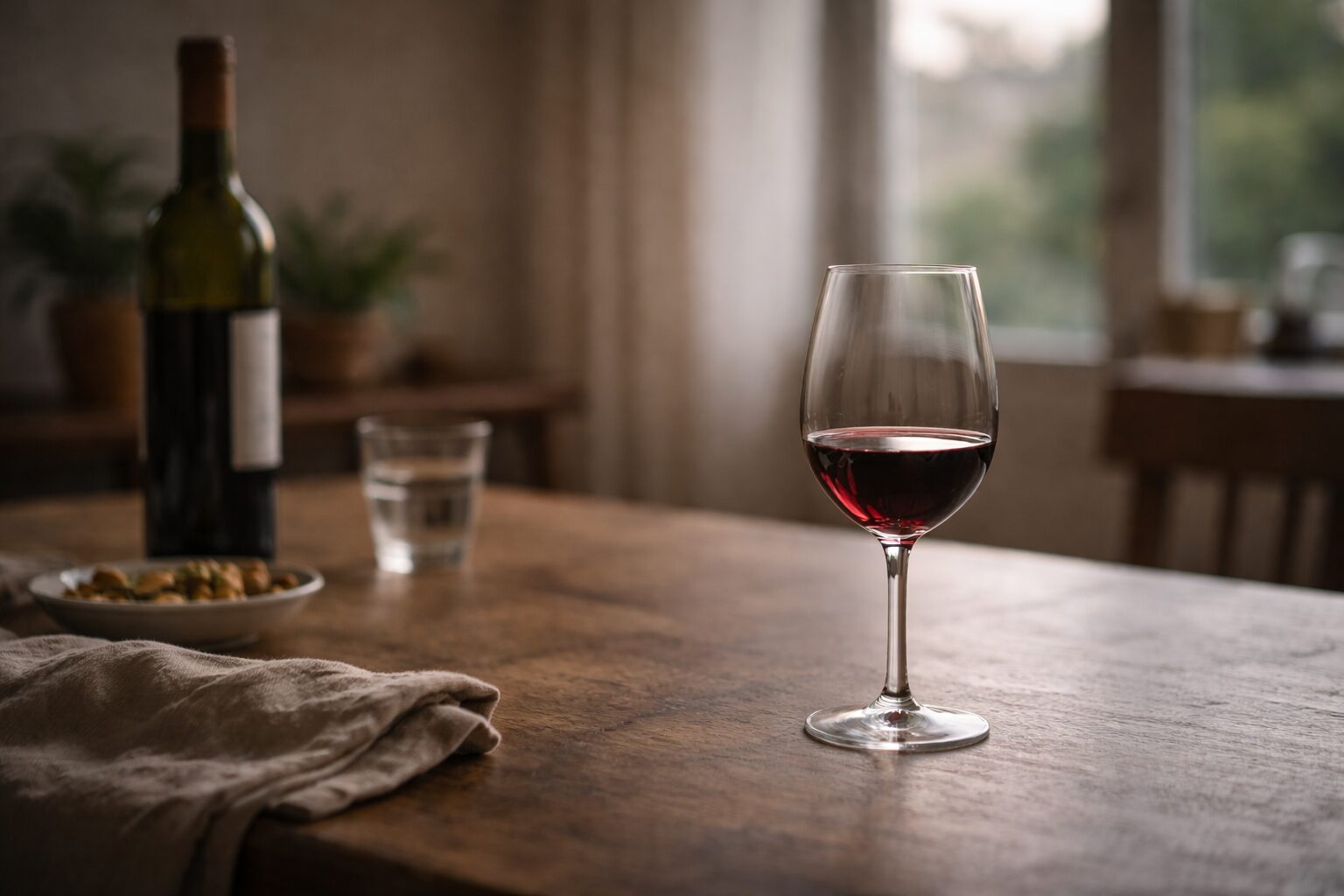
Drink Less, Drink Better: Trend, Necessity or a Return to Essentials?
A change that has already begun
Something has changed in the way we drink wine, and it is not only in the statistics.
Younger generations drink less. Concern for health has grown. Our relationship with alcohol has become more conscious, sometimes more suspicious. Wine, which for decades was a symbol of automatic conviviality, now has to justify its place.
But perhaps the question is badly put. Is drinking less and drinking better just a trend? Or is it a return to essentials, to the way wine should always have been lived?
For too long, quantity was mistaken for culture. Drinking a lot meant sharing. Endurance was confused with pleasure. Wine became noise instead of language.
Today the context is different. And that may be an opportunity.
The body does not lie
Physiologically, moderate consumption makes a real difference.
Alcohol is metabolised by the liver, acts on the central nervous system and affects metabolic balance. It is not neutral. The scientific literature is clear: the relationship between alcohol and health depends on context, frequency and quantity.
Drinking less and drinking better begins by accepting that. But reducing the subject to health is not enough. The question is not only how much does harm. It is also how much makes sense.
A glass that is part of a meal, with food, water and an unhurried pace, has a different effect from wine drunk quickly and out of context. Wine was born at the table. Away from it, it loses its balance.
Cultural maturity begins when pleasure stops being excess and becomes a choice.
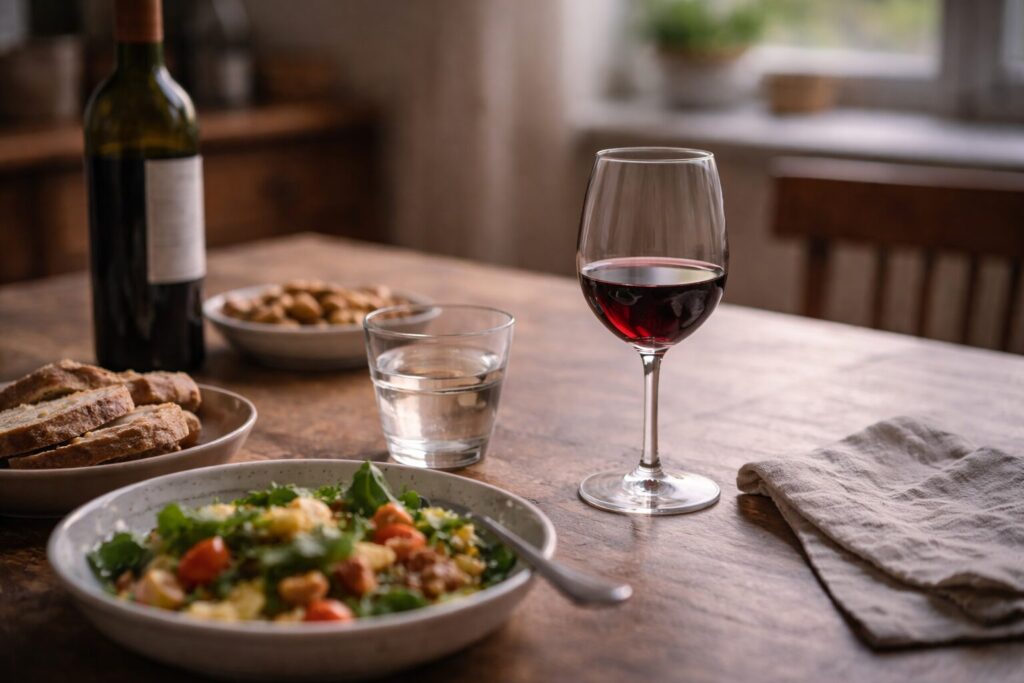
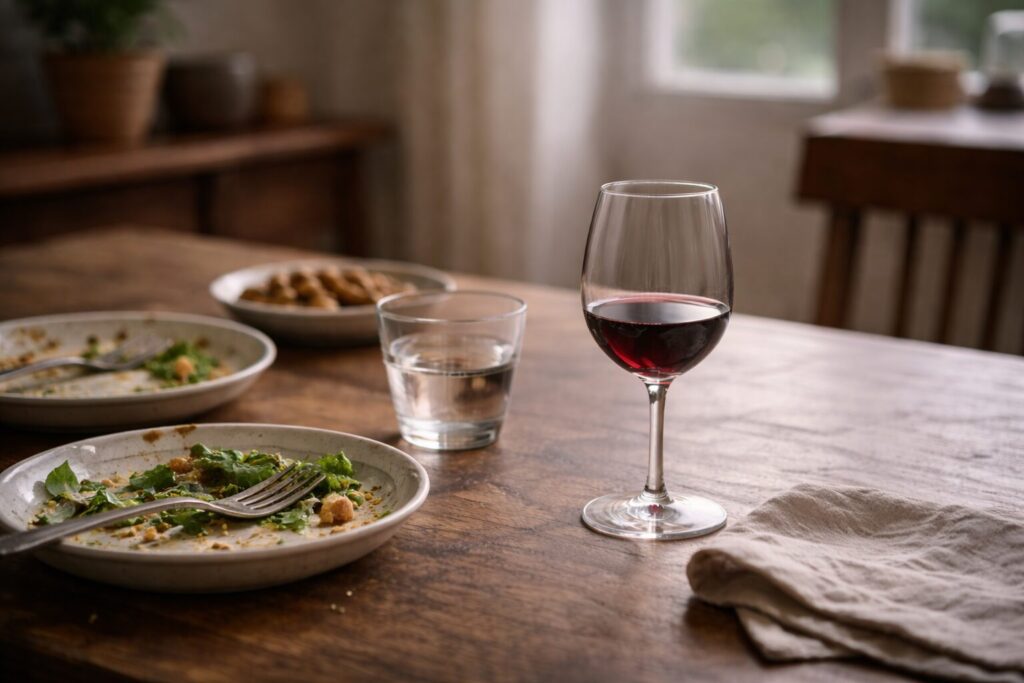
Drinking better is not drinking less out of obligation. It is choosing with awareness.
What has changed in the market
The figures confirm a trend: lower consumption per head.
But there is also something subtler. The informed drinker no longer looks only for intensity. They look for balance, for wines that do not tire, for freshness. That forces producers to revisit decisions on alcohol, extraction and ageing. The aesthetic of the powerful wine is starting to give way to the aesthetic of the precise wine.
Drinking better means making better wine: not in the sense of luxury, but of coherence. The answer is not alcohol-free wine as a universal solution, nor denying that things have changed. It lies in adjusting both what we say and what we make to the reality of today.
The pleasure of precision
Wines with freshness, tension and a dry finish are naturally more inviting. When alcohol, acidity and texture move together, a wine invites the second glass without imposing the third. It stays alive at the table without weighing on it.
The difference is subtle but decisive. There are wines that impress, and wines that keep you company. The second kind tends to last longer, in memory and in culture.
Drinking less and drinking better means choosing wines that respect the rhythm of the conversation instead of speeding it up.
Is drinking less losing pleasure?
One of the most common misconceptions is to equate moderation with deprivation. Drinking less and better does not mean giving up pleasure. It means redefining it.
Pleasure is not excess. It is balance. It is clarity. It is waking up the next day with no physical or moral noise.
Another myth is that the market only rewards intensity. That is no longer true. The new generation will value authenticity, transparency and responsibility.
Wine culture does not need more volume. It needs more depth.
A cultural opportunity
Portugal is well placed for this shift. Our food tradition values the table, sharing, and wine as part of the meal. Historically, we have never been a culture of quick, solitary drinking.
If we know how to say this, drinking less and better can become a cultural statement rather than a threat.
Portuguese wine does not need to compete on power. It can compete on identity.
Maturity is knowing when to stop
Drinking less and drinking better is not a fashion. It is maturity. It is recognising that wine makes sense when it is part of real life: the table, the conversation, time. Not as an escape, not as a performance.
Perhaps the real challenge is not persuading people to drink more. It is helping them drink better. Because when wine is lived with awareness, it does not lose relevance. It gains depth.
Further reading
- Quality in Wine: Beyond the Scores
- Winter in the Vineyard: When Nothing Happens, and Everything Is Being Decided (Casca Wines Journal)
- Pruning Is Not a Cut: It Is a Choice for Several Years (Casca Wines Journal)
In the glass
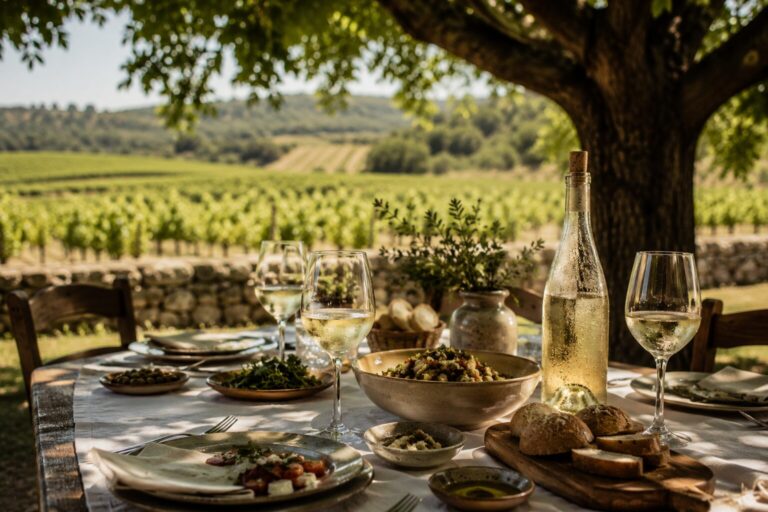
Wines with freshness, tension and a dry finish: easy to drink, precise, inviting. Cabo da Roca Colheita White is one example: direct, fresh, with lively acidity and a clear calling for the table.
At the table
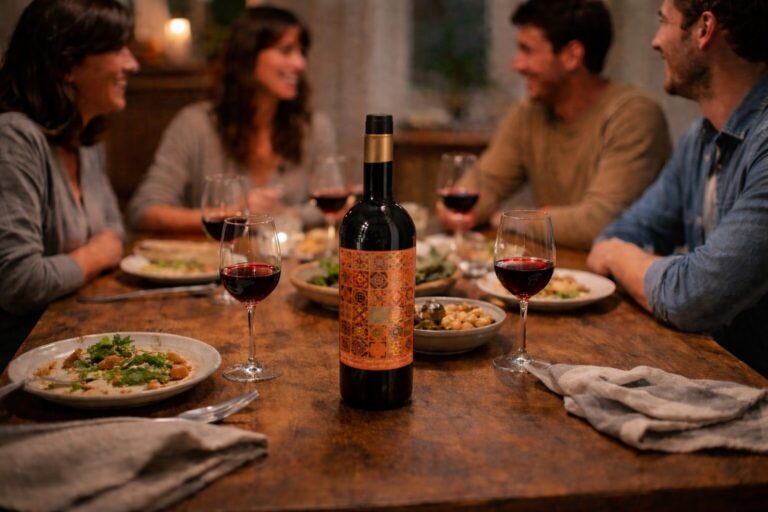
Simple moments, shared. A glass that keeps you company rather than weighs you down. Monte Cascas Colheita Douro Red shows that structure and elegance can live together without excess extraction or alcohol.
If you want to taste this
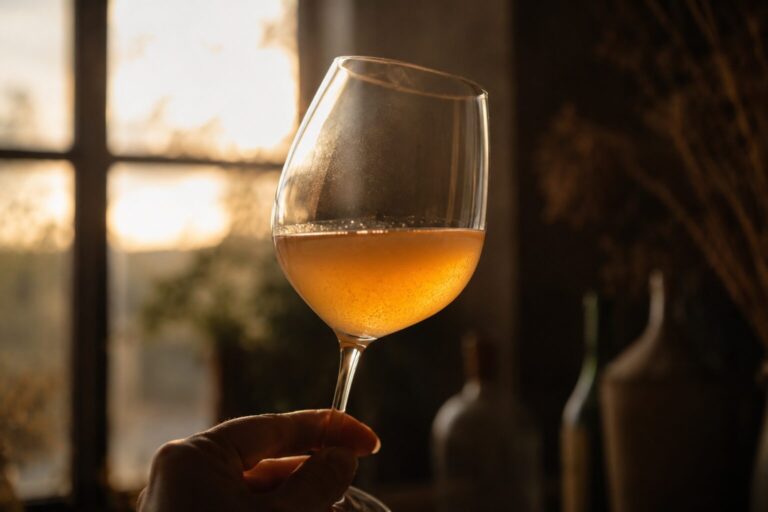
Some wines are made for conscious pleasure: less quantity, more presence. Cascale Natural White is an example of lightness with identity, a wine that puts freshness and authenticity before immediate impact.