The Mistake of Over-Explaining Wine
When explaining wine becomes a problem
There is a curious moment at many tables.
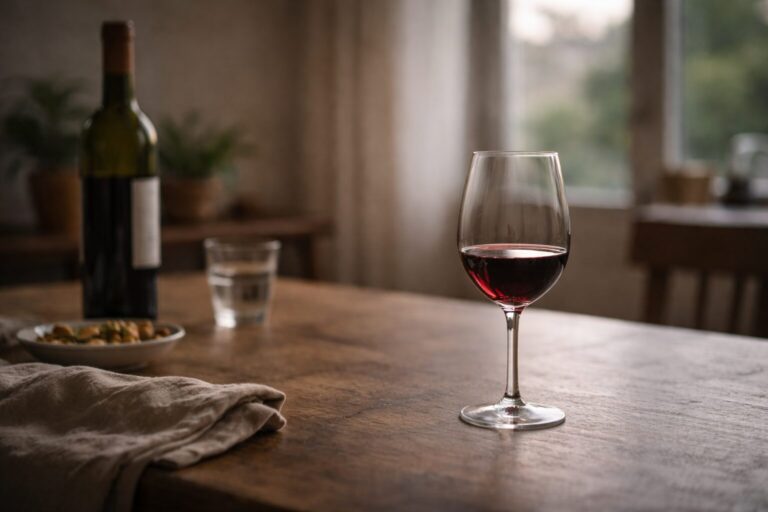
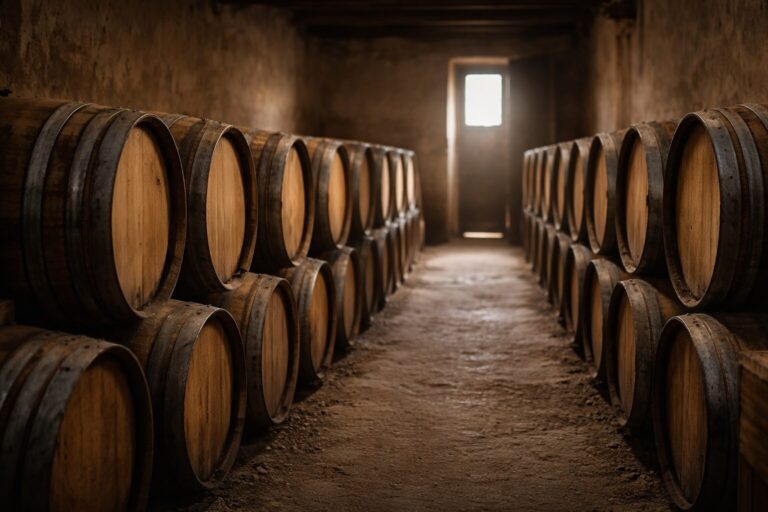
Someone pours the wine. Someone asks what it is. And before the first sip, a long explanation begins: the region, the altitude, the grape, the fermentation, the ageing, the barrel. Suddenly the wine is no longer a drink. It is a presentation.
The paradox is simple: the more we over-explain wine, the further it moves from the person drinking it. Not because knowledge is useless. Quite the opposite: wine culture depends on knowledge. The problem starts when the explanation becomes more important than the experience.
Wine is, first of all, a sensory thing. Aroma, texture, acidity, temperature, context. All of it happens before words. When the talk becomes too technical, the wine stops being lived and starts being interpreted.
And that builds an invisible wall.
The language of wine was not born complicated
For centuries, people drank wine without needing to explain it.
Wine was part of daily food. An agricultural product, naturally fermented, drunk with meals and shared in community. People spoke about it simply: it was light, strong, sharp, pleasant or hard.
Technical language came much later, mostly in the twentieth century, when wine began to be analysed, classified and traded in international markets. With the growth of specialist criticism, scores and technical tastings, a new language took shape: detailed aroma descriptors, standardised vocabulary, oenological terminology.
None of this is wrong. But when that language leaves the professional setting and takes over every conversation about wine, it creates a communication problem.
Wine stops seeming accessible.
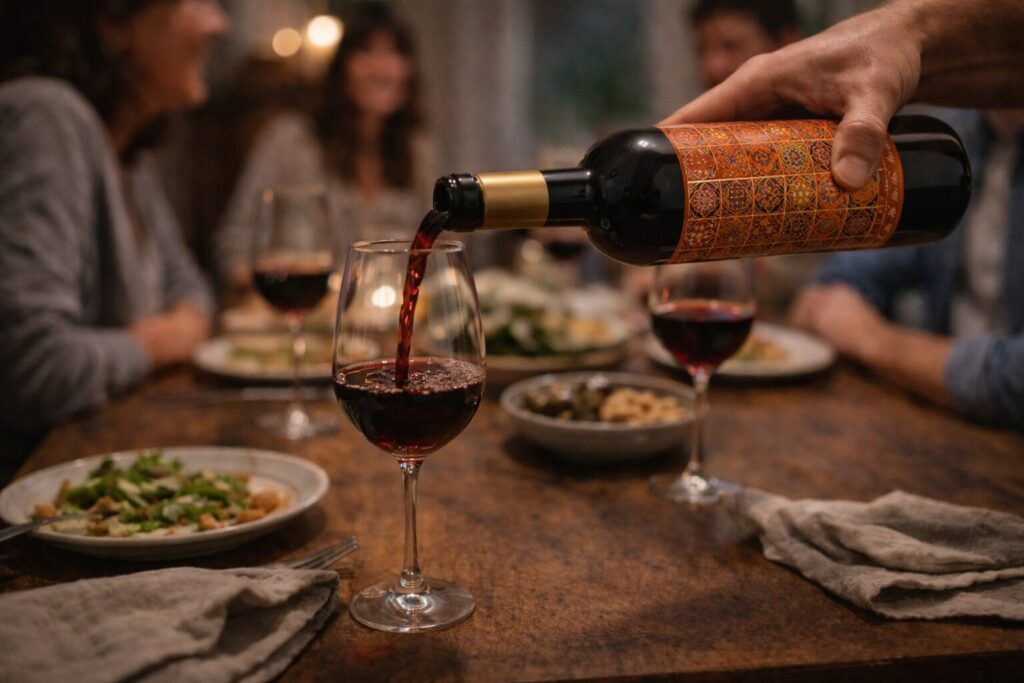
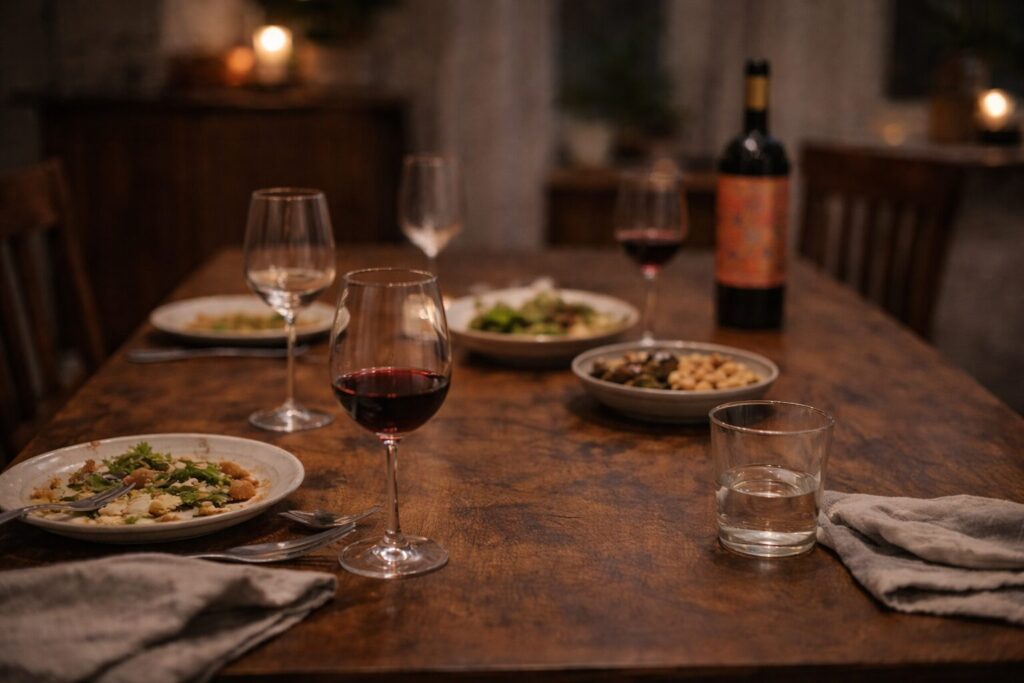
Wine rarely needs explaining. It only needs pouring.
When explaining wine creates distance
Anyone who works in wine knows this situation.
Someone tastes a wine for the first time and simply says: “I like this one.” Someone else immediately answers with an explanation: black fruit, polished tannins, barrel ageing, controlled fermentation. The intention is good. The effect can be the opposite.
Instead of bringing people closer, the explanation creates distance. The person starts to doubt what they perceived. They wonder whether they ought to feel what the expert described. The wine stops being a personal experience.
Wine speaks before words do
Before any explanation, the wine is already speaking.
Colour suggests intensity. Aroma shows freshness or maturity. Acidity sets the tension. Texture shows structure. All of this is perceived by instinct, without anyone needing to explain it. A balanced wine rarely needs much explaining.
That is why great wines are so often described in few words. Not because they lack complexity, but because their balance is obvious.
Explaining wine can deepen the experience. It should never replace it.
Does wine need to be complicated?
There is a persistent idea in the wine world that complexity requires complicated language. That is not always true.
The best wine communicators can translate difficult ideas into plain words. They explain without intimidating. Overly technical language often does more to assert authority than to build understanding.
And when talk about wine becomes a tool of social distinction, wine loses what made it culturally relevant in the first place: its power to bring people together at the table.
A culture where wine was always simple
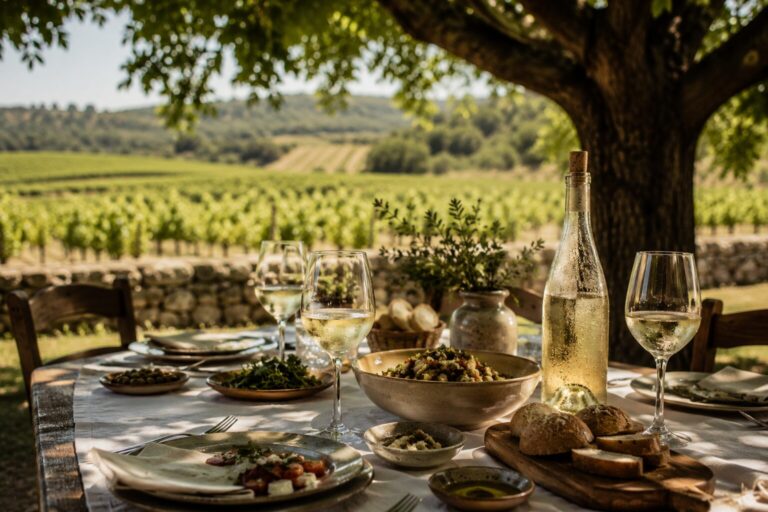
In Portugal, wine has always belonged to the table.
At home, in tascas, at Sunday lunch, wine was served without explanation. It was drunk because it made sense with the food, the conversation and the moment. That simplicity was not ignorance. It was cultural integration.
Today, as Portuguese wine gains international recognition, there is a temptation to complicate the language to seem more sophisticated.
But perhaps real sophistication is something else: talking about wine with clarity.
Wine needs less explanation and more experience
Explaining wine is not a mistake. Over-explaining it is.
When language takes over from experience, wine stops being lived and starts being analysed. That puts needless distance between the people who make wine, the people who talk about it and the people who simply want a glass.
Perhaps the best way to communicate wine is simpler: pour, taste and talk.
The rest comes later.
Further reading
- Quality in Wine: Beyond the Scores
- Drink Less, Drink Better: Trend, Necessity or a Return to Essentials?
- Winter in the Vineyard: When Nothing Happens, and Everything Is Being Decided (Casca Wines Journal)
In the glass
Direct wines, easy to understand without being simple. Wines that show balance and identity from the first sip. One example in this style is Cascale Skin-Contact White.
At the table
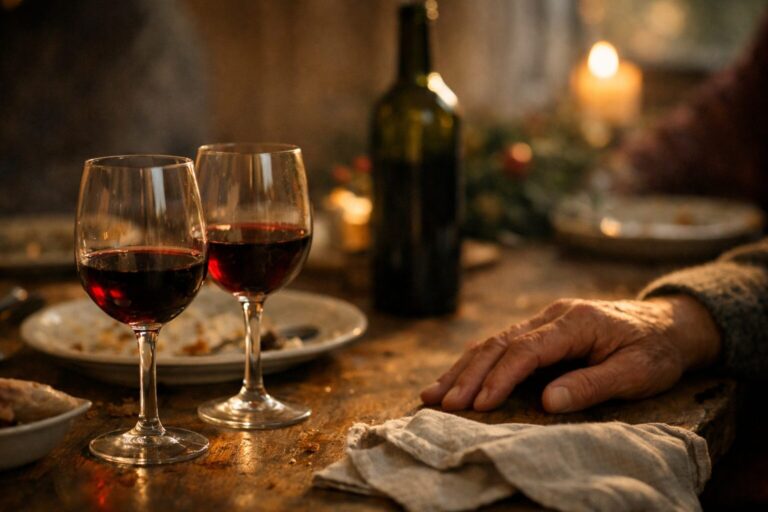
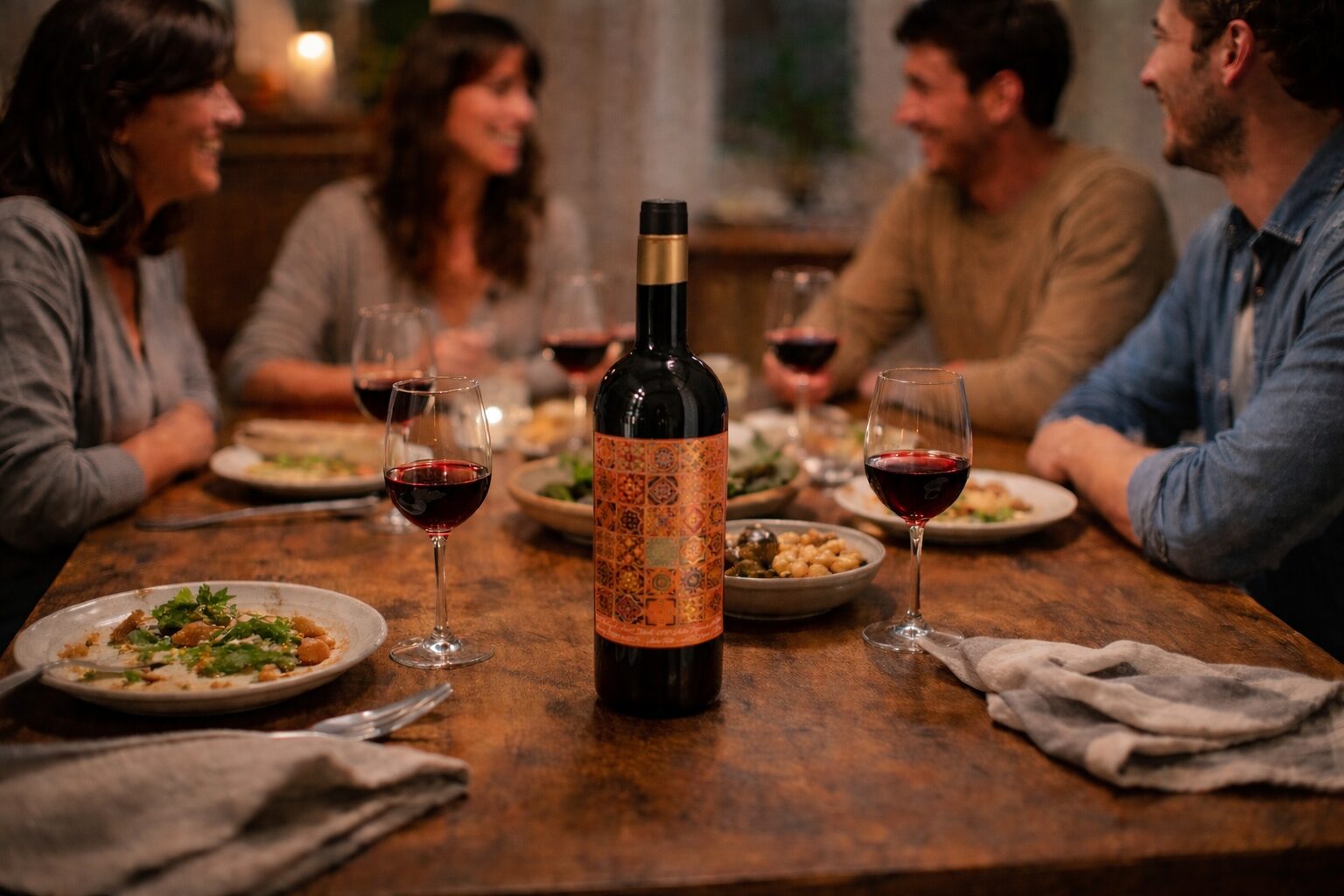
A dinner among friends where nobody talks about the wine, but everybody drinks it. 1808 Field Blend Alentejo Red 2017 can warm the soul and the conversation without becoming the subject.
If you want to taste this
Some wines are made to be lived before they are explained. Monte Cascas Colheita Douro White is one, made to sit naturally at the table. Cabo da Roca Lisboa White shows how freshness and precision can speak for themselves. And 1808 Brut Nature Beira Interior Sparkling is a reminder that balance and identity often need very few words.