The Myth of the Perfect Natural Wine
What natural wine is, and what it is not
Minimal intervention has become a creed. And like every creed, once it hardens into dogma it loses the ability to question itself.
The natural wine movement began as a legitimate reaction to an over-industrialised system of production, where chemistry had replaced terroir and technology had erased identity. The intention was good: to go back to the vineyard, respect natural cycles and let wine express itself without excessive intervention.
But somewhere along the way, the philosophy became a performance. And the performance began to excuse faults.
Where philosophy ends and responsibility begins
A faulty wine is a faulty wine, however it was made. Excessive volatile acidity, Brettanomyces contamination, uncontrolled oxidation, microbiological instability: these problems exist, they can be detected, and they spoil the experience of whoever drinks the wine.
When a producer presents a wine with these faults as “an expression of nature” or “a reflection of terroir”, there is a conceptual confusion. Terroir does not smell of vinegar. Nature does not produce microbiological instability as a virtue.
The winemaker’s responsibility is to make sure that what reaches the glass is clean, expressive and pleasurable, whatever the philosophy behind it. Minimal intervention does not excuse anyone from that responsibility. It demands it.
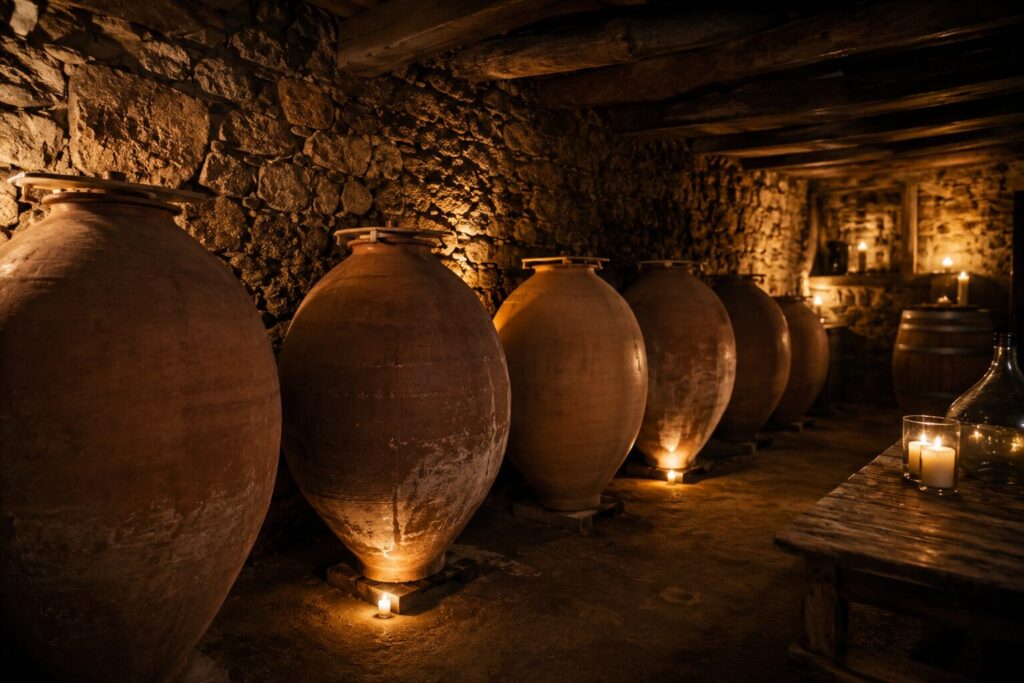
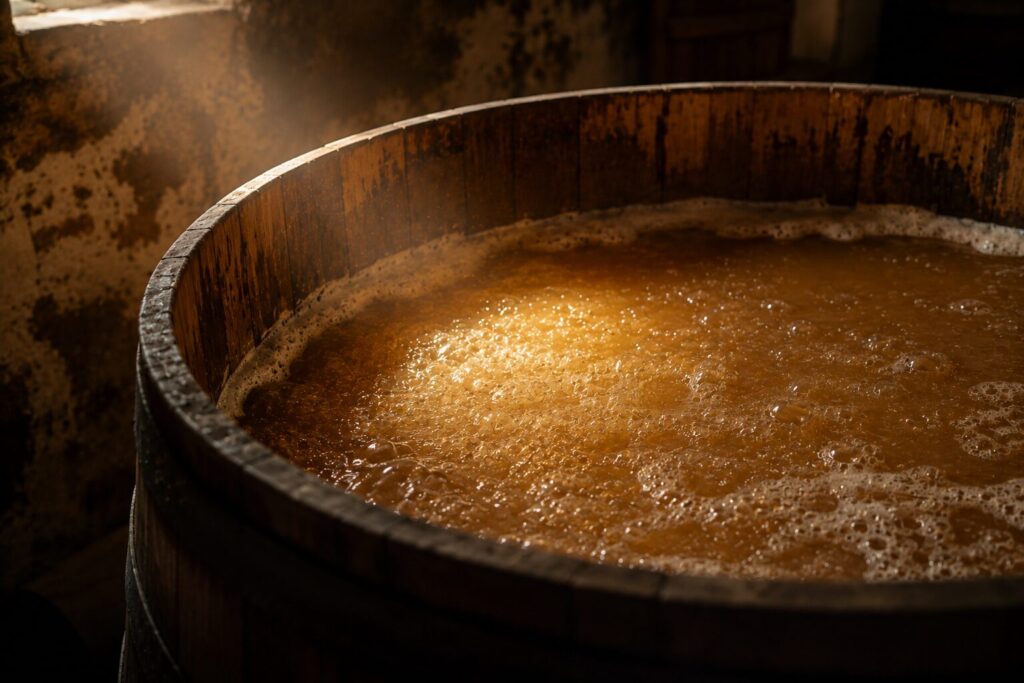
Minimal intervention does not excuse responsibility. It demands it.
The rigour that minimal intervention requires
Working with indigenous yeasts means accepting unpredictability. Fermentations can be slow, uneven and more vulnerable to problems. For them to go well you need a healthy vineyard, impeccable hygiene in the cellar and constant attention to the process.
Working without sulphites, or with very little, means the wine has less antimicrobial protection. That calls for a deep knowledge of microbiology, temperature control and the ability to act quickly if something goes wrong.
The best natural wine producers I know are obsessive about hygiene. They watch the health of their grapes closely. They know their vineyards in depth. They are not careless. They are rigorous in a different way.
The myth of automatic authenticity
There is a narrative in the natural wine world that links minimal intervention with authenticity and technical intervention with falsification. It is a seductive narrative, and a simplistic one.
A winemaker who uses selected yeasts to secure a clean fermentation is not falsifying terroir. A producer who adds a small amount of sulphites at bottling to keep the wine stable is not betraying natural wine. They are taking responsibility for the product they put in the drinker’s hands.
Authenticity is not the absence of technique. It is coherence between intention, process and result. A wine can be deeply authentic and technically precise at the same time.
What to look for in a good low-intervention wine
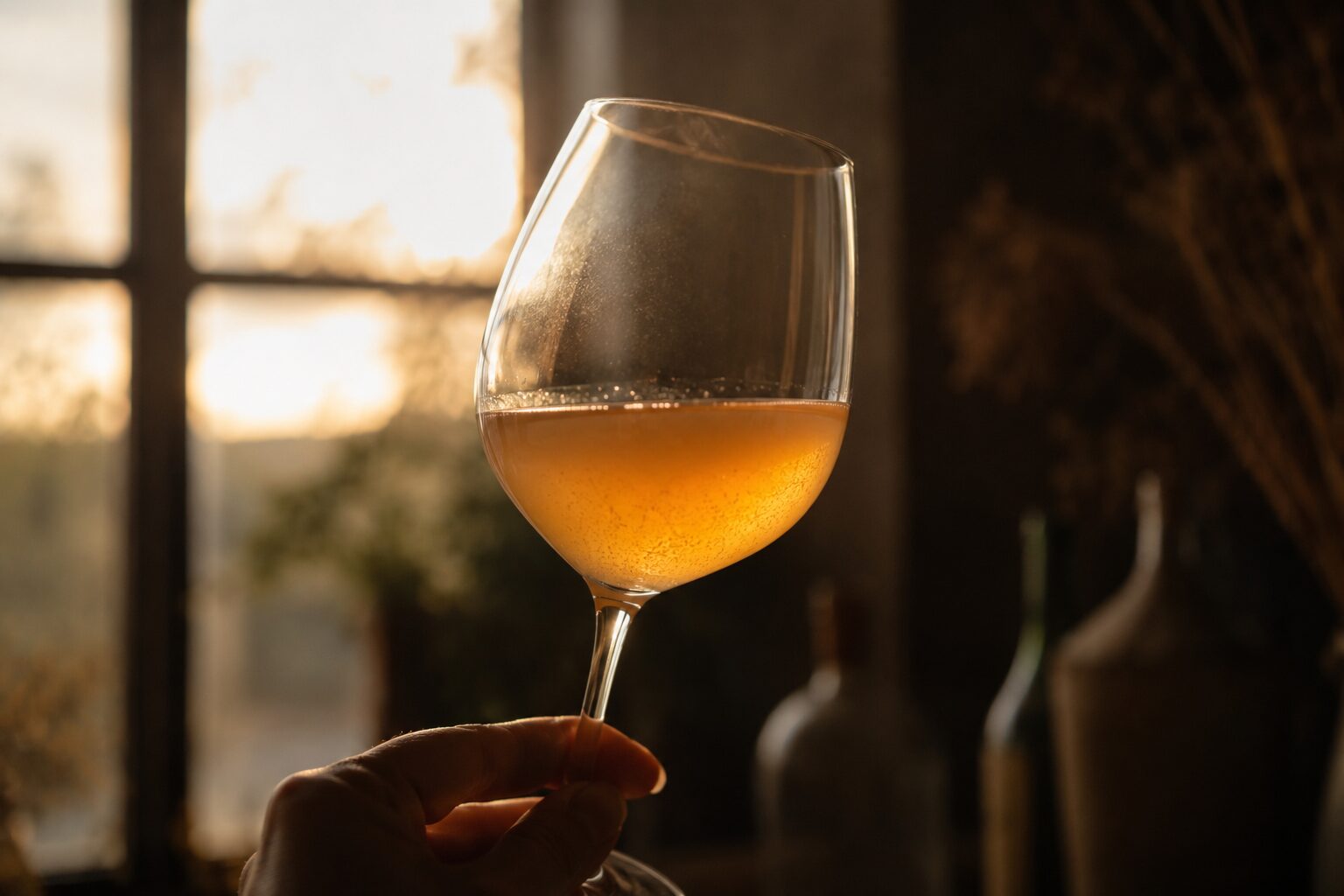
A good wine made with minimal intervention is clean, expressive and balanced. It has energy, life and texture. It may have some haze, some unexpected aromatic complexity, but no faults that get in the way of the pleasure of drinking it.
When you taste a wine like this, you feel closer to the grape, the vineyard and the year it was made. There is a direct line between the place and the glass. That is what the philosophy of minimal intervention promises, and what its best examples deliver.
What I look for in a natural wine producer is not the absence of technique. It is the presence of responsibility.
The movement needs to grow up
The natural wine movement needs maturity. The phase of radical reaction (“no chemistry, no technology, no intervention”) was necessary to draw attention to the excesses of industrial winemaking. But that phase has done its job.
The next step is to bring the principles of minimal intervention together with the technical rigour that quality requires. Not as a contradiction, but as an evolution. The best producers in the world are already on that path. They make wines of terroir, with a low-intervention philosophy and the precision of people who know exactly what they are doing.
That is the natural wine that deserves attention. Not the one that excuses faults with words. The one that delivers what it promises.
Natural is a commitment, not an excuse
The perfect natural wine does not exist, because perfection does not exist. But the principles the movement defends (respect for nature, minimal intervention, the expression of terroir) are of real value.
What has no value is using those principles to justify faulty wines. Minimal intervention is a choice that requires more knowledge and responsibility, not less.
Natural is a commitment to the place, to the grape and to whoever drinks the wine. Not an excuse for what goes wrong.
Further reading
In the glass
Wines with a life of their own, but not chaotic. Minimal intervention done well gives freshness, tension and authenticity.
At the table
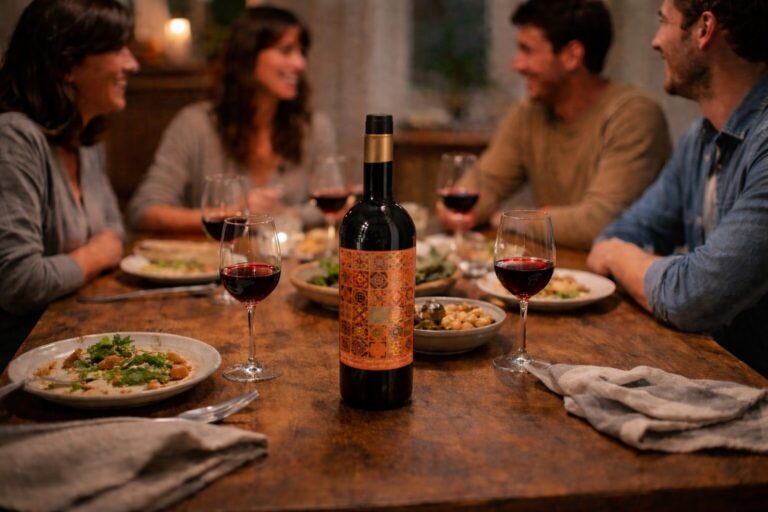
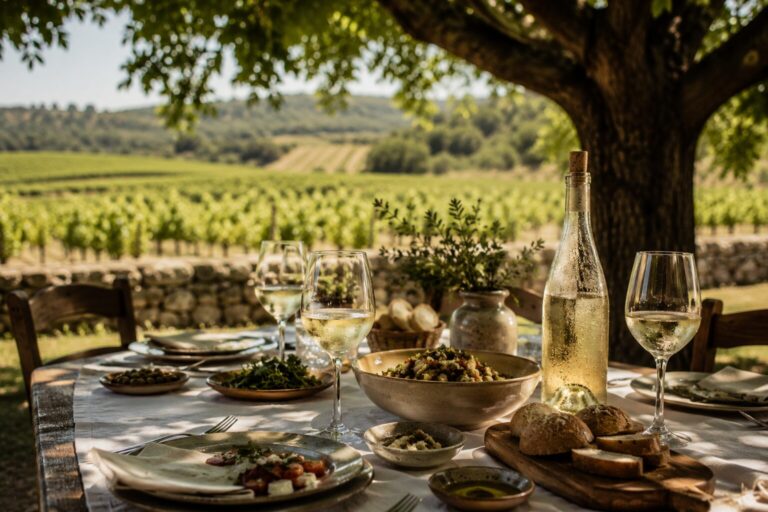
Honest cooking, good produce, simple preparations. Natural wine asks for food without artifice.
If you want to taste this
Look for natural wines made responsibly, where the philosophy is not an excuse for faults. Cascale Petroleiro Palhete Natural Talha is a talha wine with real personality and no artifice. Cascale T Beira Interior shows how minimal intervention can produce wines of strong, clean character. And Cascale Skin-Contact White shows how time on the skins builds texture without giving up freshness.