The Role of Silence in the Cellar
When not acting is a choice
In the cellar, there is a constant temptation to intervene.
Control temperatures. Adjust acidity. Filter. Fine. Fine-tune. Technical knowledge lets us do almost anything, and that creates a dangerous illusion: that more intervention means better wine.
It does not always.
There are moments when the best move is not to act. It is to wait.
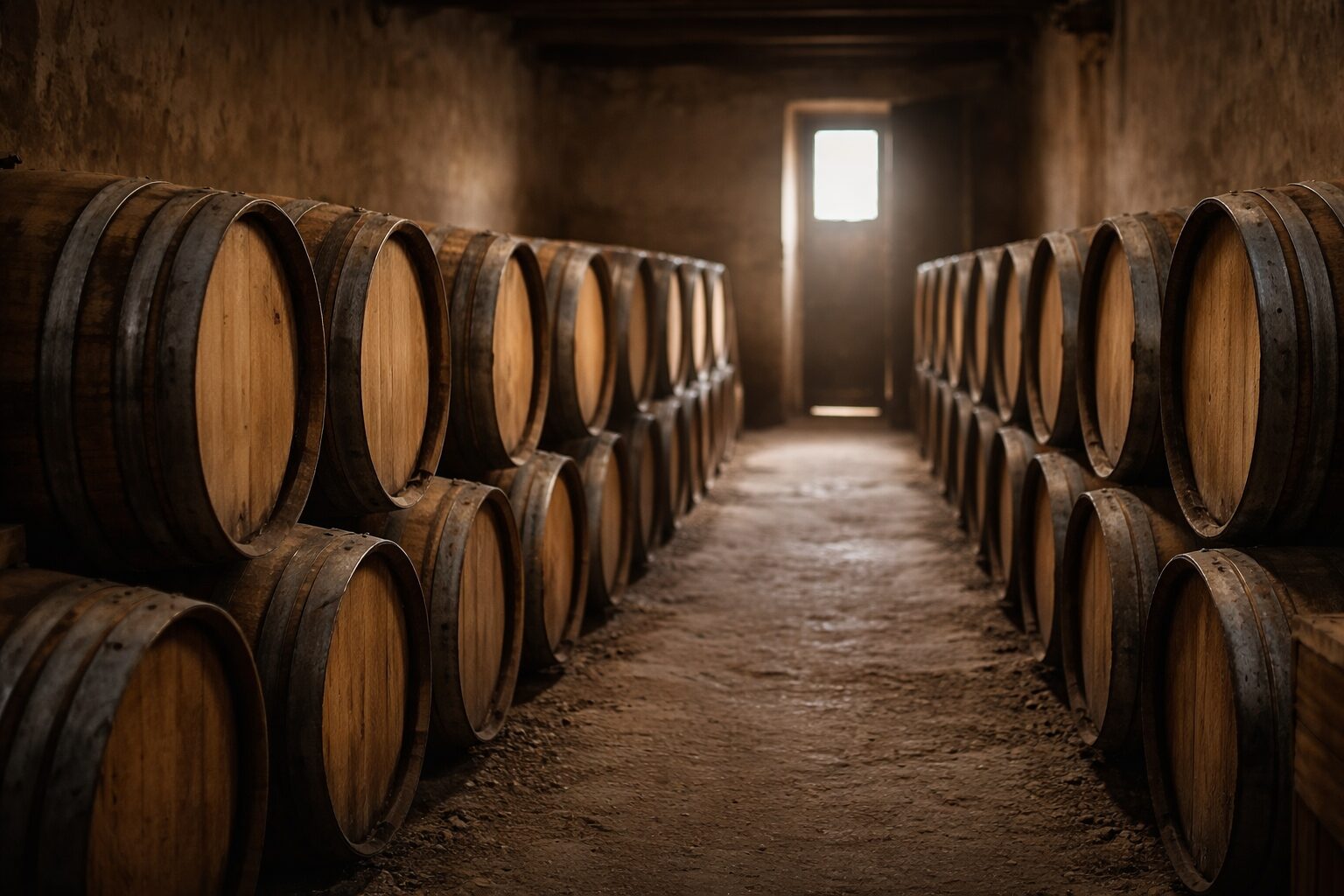
Silence in the cellar is not an absence of work. It is a conscious decision not to interfere while the wine is still finding its way.
In a world where everything asks for speed, the cellar reminds us of another logic: some processes only happen when we give them time.
What happens when we let wine evolve
After fermentation, wine enters a phase that is less visible but deeply decisive.
This is when fundamental processes take place:
- natural stabilisation
- integration of compounds
- aromatic development
- polymerisation of tannins
None of this happens instantly.
When we reduce intervention to what is strictly necessary, these changes can happen more organically. The wine finds its balance on its own, rather than being forced into a profile defined from outside.
Silence, here, is technical.
It is not a lack of decision. It is an informed decision.
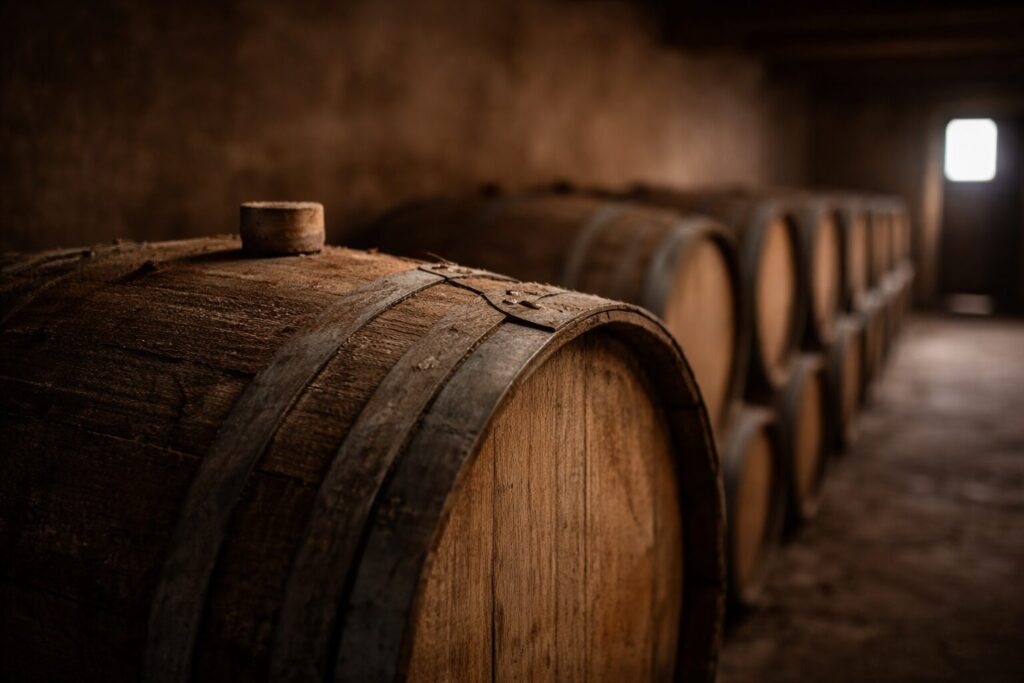
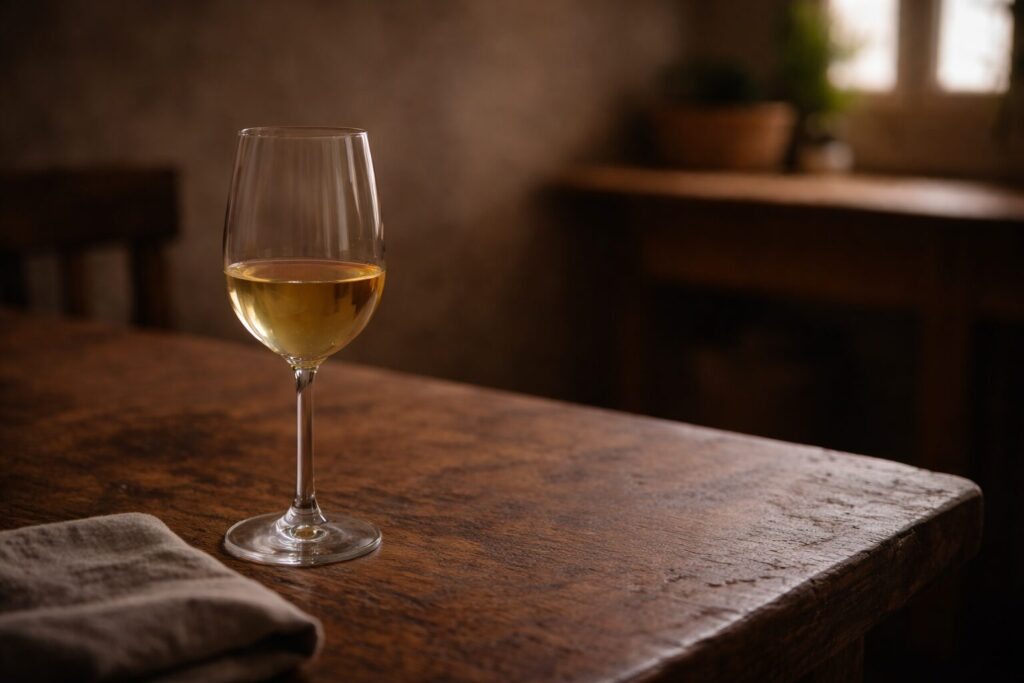
Time leaves marks, and wine is built on them.
Knowing when not to touch
In the cellar, intervening is easy. Knowing when to stop is hard.
A hazy wine can be fined. A closed aroma can be “corrected”. A less expressive profile can be adjusted.
But every intervention has a cost.
Filtering too much can strip texture. Correcting too much can flatten identity. Speeding up processes can shorten a wine’s life.
The real challenge is recognising when a wine is still evolving and needs time, not correction.
Silence in the cellar is often an act of trust.
What silence leaves in the wine
Wines that have gone through processes that respect time share one quality: coherence.
Nothing stands out too much. Nothing seems artificially adjusted.
The texture is more integrated. The finish is longer. The wine changes more interestingly in the glass.
These are wines that do not necessarily impress at first, but grow with time.
That is no coincidence.
It is the result of a process in which the wine had room to organise itself.
Is minimal intervention neglect?
There is a common misunderstanding that links less intervention with carelessness.
But silence in the cellar is not abandonment.
It is close attention. It is watching without needless interference. It is acting only when it makes sense.
The difference lies in the intention.
An abandoned wine gets lost.
A wine followed with respect evolves.
Between tradition and technique
Portugal has a long history with this kind of approach.
For centuries, wine was made with minimal intervention, often out of necessity, but also out of tradition. Today, with more technical knowledge, we have the chance to choose that path deliberately.
Not as a fashion. As a decision.
The challenge is to find the balance between technical knowledge and respect for the natural process.
Time needs space
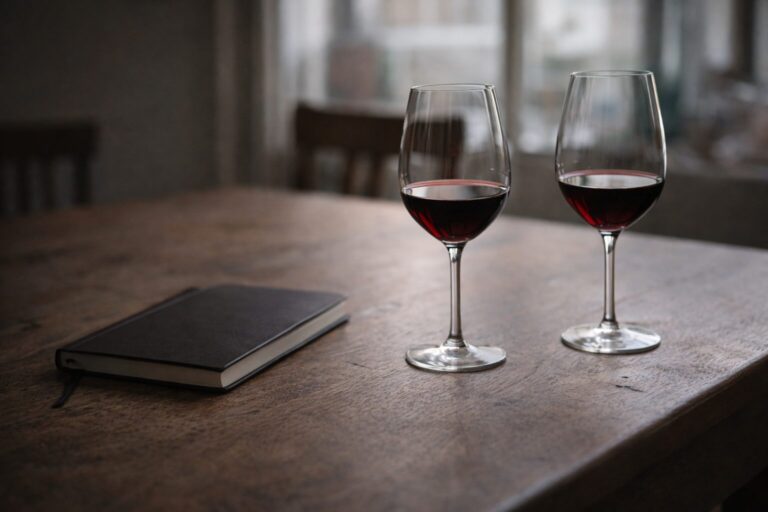
Silence in the cellar is not absence.
It is space.
Space for the wine to evolve, to integrate, to find its own balance. In a sector so often pressed by speed, deadlines and immediate results, remembering the value of waiting is almost an act of resistance.
Perhaps the main lesson is this: not everything that improves a wine comes from intervention. Some of the most important decisions are invisible.
And that is exactly why they make the difference.
Further reading
- The Mistake of Over-Explaining Wine
- Drink Less, Drink Better: Trend, Necessity or a Return to Essentials?
- Quality in Wine: Beyond the Scores
In the glass
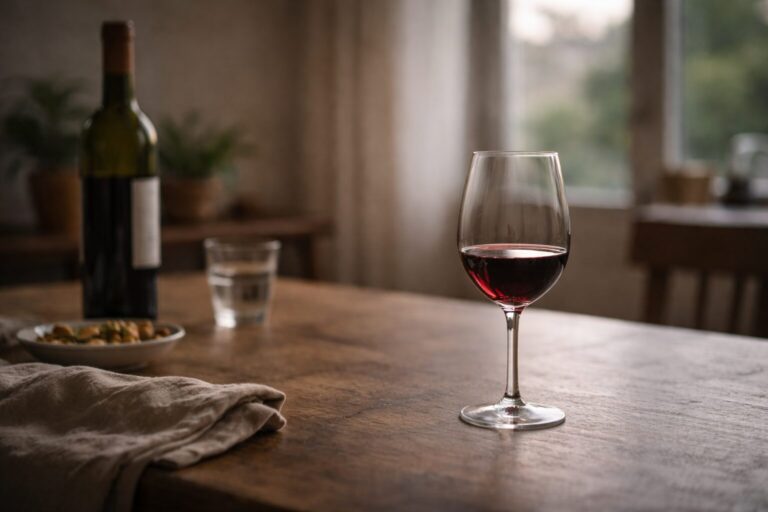
Calm wines with fine texture and a lingering finish. Time works on them.
At the table
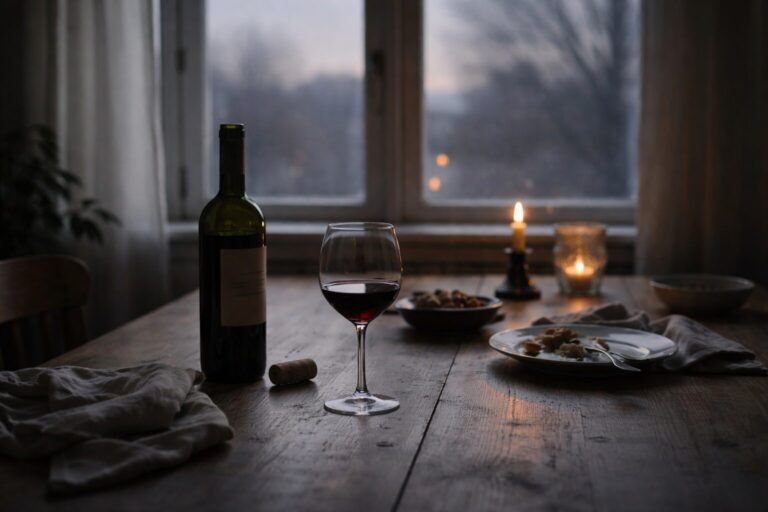
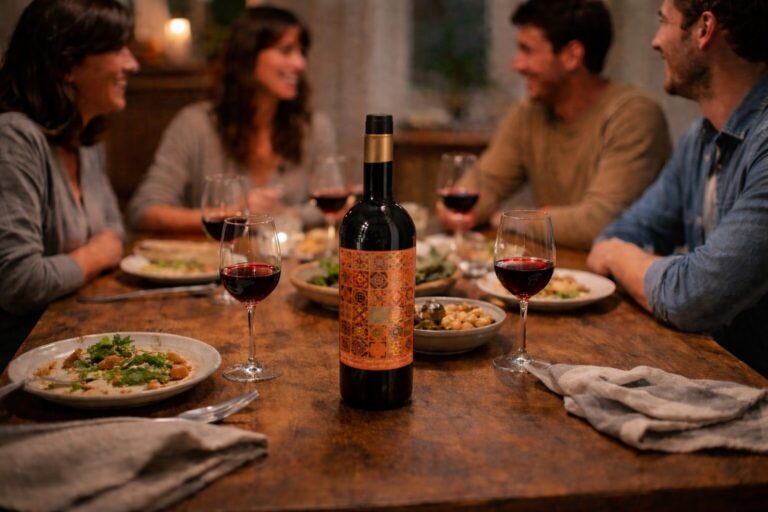
A long meal with no clock in sight. The wine follows the natural rhythm of the table.
If you want to taste this
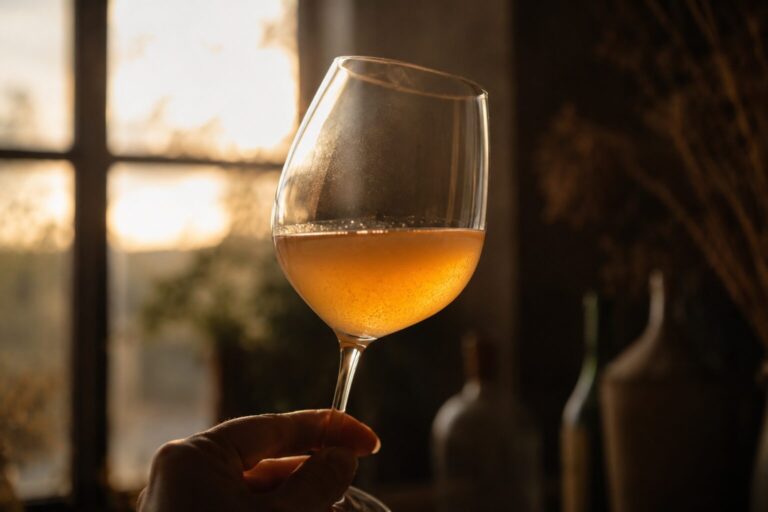
Look for wines where time was given more respect than urgency. Wines that were neither rushed nor over-adjusted. One example is Cascale Skin-Contact White, where the wine develops naturally and without haste. Monte Cascas Reserva Douro White shows how texture and time can live together with precision. And Cabo da Roca Reserva Syrah Lisboa shows how structure and balance are built over time.