Wine and the New Year: Long Time, Cycles and Intention
The gesture of opening a bottle
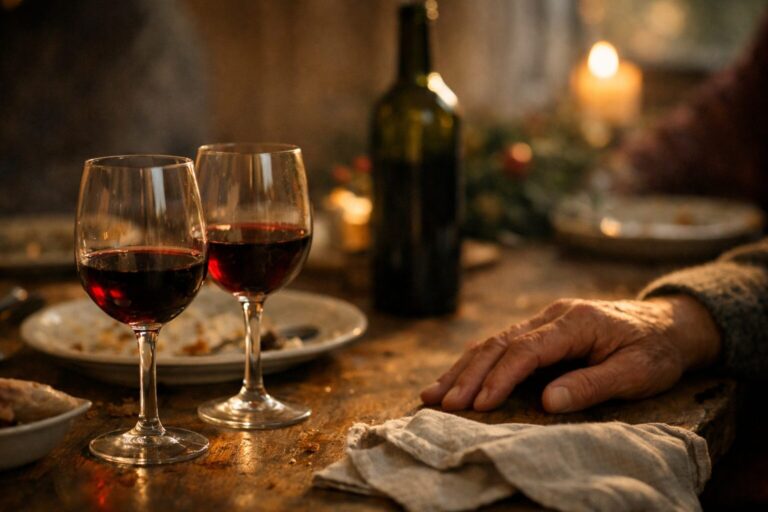
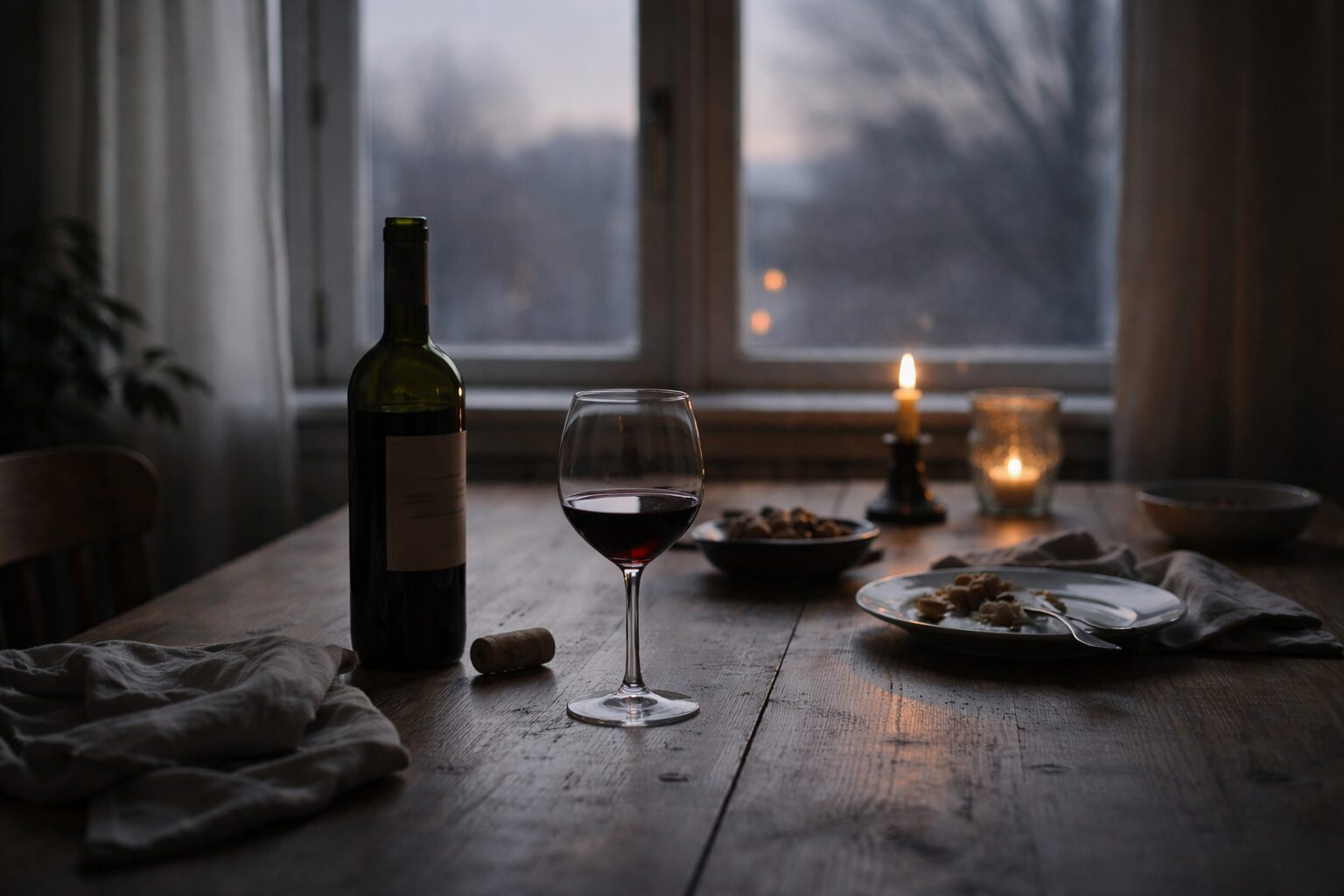
There is a moment at the end of the year that interests me more than the noise. It is the simple gesture of opening a bottle.
Not as a symbol of celebration, but as a small ritual of attention. The hand rests on the neck, the corkscrew goes in slowly, the cork gives. The sound is quiet. And for a few seconds almost everything slows down. There is a pause there that cannot be bought or hurried.
Opening a bottle on 31 December has a particular tone. It is no longer the excitement of “still to come”. Nor is it the tiredness of “already gone”. It is somewhere in between: the year is closing but has not yet ended. And we are inside it, with what went well and what is still unresolved, with no need to reduce it to a summary.
Wine, when lived with awareness, is not a pretext for forgetting. It is an invitation to be present. Perhaps that is why this time of year asks me for less celebration and more presence.
Some bottles are opened to mark a moment. Others, the most important ones, are opened to honour a cycle. Not as a balance sheet, but as an acknowledgement: this was lived.
That is the moment I like to talk about wine and the new year. Not as a promise of rupture, but as the passing of long time. As continuity.
The mistake of hasty resolutions
For many people, New Year has become a kind of reset button.
As if 1 January were a border that erases 31 December. As if life worked through clean breaks rather than slow accumulation. As if we could replace habits, relationships, work, body and memory with two or three well-written sentences.
I understand the impulse. The modern world is demanding, and an instant fresh start feels like a way to regain control. But there is something artificial in that hurry. And often something cruel.
Hasty resolutions are an attempt to escape the reality of time: the fact that the things that are true, the ones that matter, change slowly. The culture of easy promises creates a particular kind of frustration: the feeling of failing quickly, in January, for not being an ideal version of ourselves.
Wine has little patience for these fantasies. Which may be why it is a good antidote.
A bottle does not change its nature because the calendar changed. A wine in the cellar does not “decide” to be ready because a new month has arrived. The vine does not speed up because someone wrote down a target.
The obsession with instant fresh starts is, at heart, a refusal to accept that we are continuity. That we carry the year with us, in the body, in our thinking, in the way we look at things. And that this is not a problem. It is the human condition.
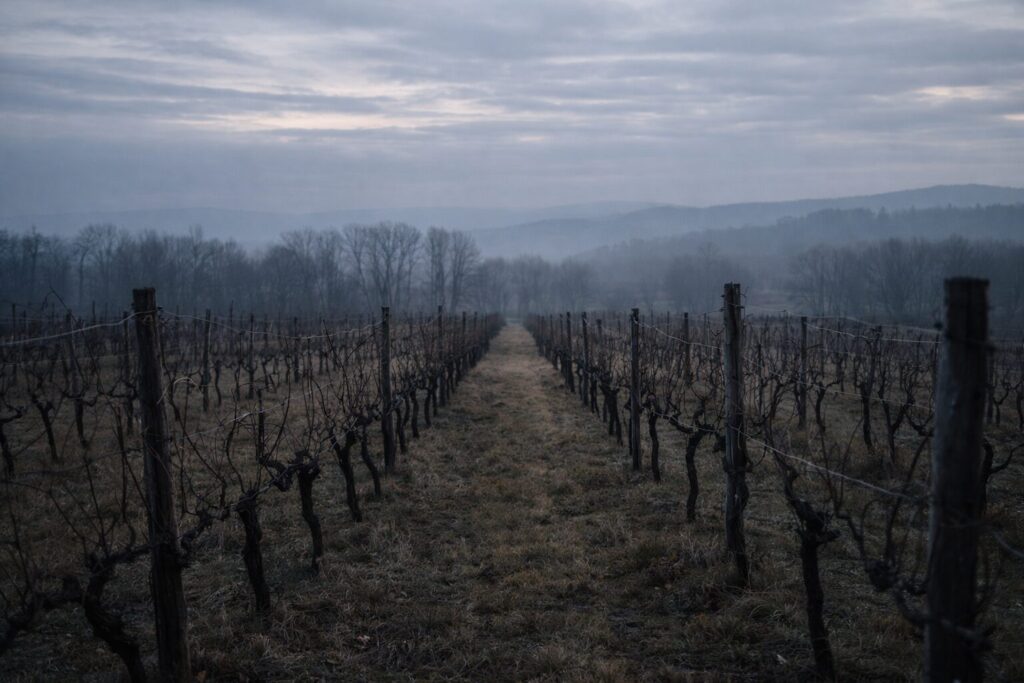
Between what ends and what begins, wine reminds us that time is not hurried. It is fulfilled.
What wine teaches about time
There is a simple lesson in wine: time is not an obstacle; it is the invisible ingredient.
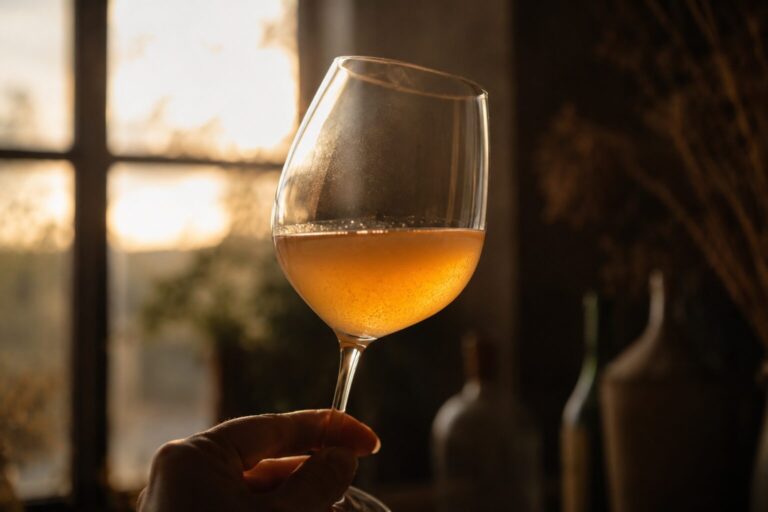
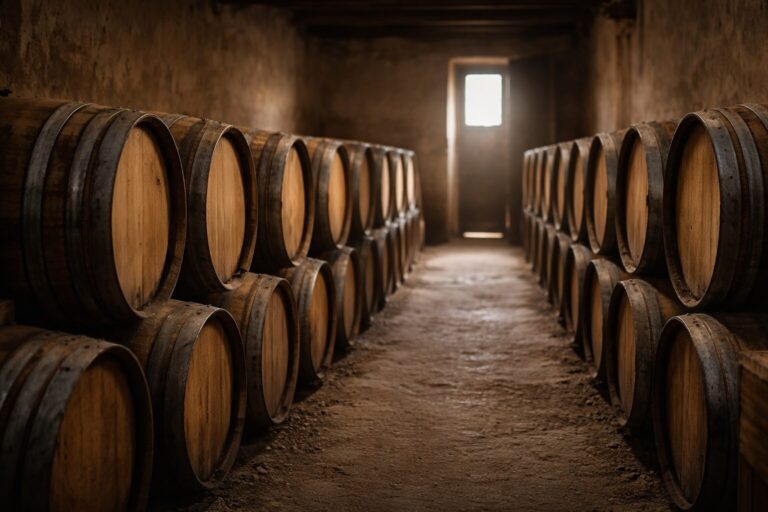
To ferment is to transform, but it is not a click. It is a biological process with its own rhythms. The must starts turbulent, unstable, full of energy. Then it calms. It clears. It finds balance. Ageing is a slow dialogue between the wine and its surroundings. In wood, in steel or in bottle, the central idea is always the same: the wine integrates. What was loose draws together. What was aggressive becomes finer. Not by magic, but by time.
And in winemaking, time is not only duration. It is opportunity.
A young wine can be exuberant, even seductive. But it often lacks depth. Depth cannot be bought. It is built. With waiting, with small decisions, with respect for the process. And with the humility to accept that not everything depends on us.
That is why the rush to “change our lives” at the turn of the year bothers me. It is the opposite of what wine teaches. Wine does not speed up to please. It does not hurry to meet outside expectations. It follows the rhythm it needs, and when we do our job well, we respect that rhythm.
This is not romanticism. It is practice. Anyone who tries to shorten time in wine pays a price: lost texture, lost harmony, lost depth.
That is a useful enough metaphor to carry outside the cellar.
Continuity versus rupture
There is one kind of fresh start I take more seriously: the kind that does not erase what came before.
The story of rupture is seductive because it simplifies. “Now it will be different.” “Now everything begins.” But real life rarely works like that. Real life is made of continuity: of what we learned, what we repeat, what we improve, what we have not yet managed.
Wine is pure continuity. Each vintage is born from the one before: from how the vineyard was cared for, from the water there was or was not, from the balance built over months. Even within a single bottle there are layers of time: the year of the grapes, the months of fermentation, the ageing, the rest, the day it is opened.
So when I think about entering 2026, I do not think about rupture. I think about integration. The real fresh start does not say “I erase 2025”. It says: “I bring 2025 with me, with more clarity.”
We bring what was good. We also bring what was hard. And, if we have the courage, we bring the questions that went unanswered. Because those questions often make room for a better year: not a “perfect” year, but a truer one.
In wine, continuity is maturation. In life too.
Drinking better as a conscious choice
There is a way of entering the new cycle that seems to me both simple and demanding: drinking better.
Not as a moral rule. As a conscious practice.
Drinking better means choosing wine as part of a moment, not as an escape. It means noticing when the glass is celebration and when it is anaesthetic. It means recognising that “more” is not always more. Often it is only noise.
The idea of drinking less, but better is not a trend for me. It is a form of respect: for the wine, for whoever made it, for the table, and for the body that receives it.
And at the end of the year that choice has a particular force.
Because this time of year is fertile ground for excesses that later turn into fog. Too much food, too much alcohol, too much stimulation. There comes a point where we stop living and start getting through. And wine, which could be a connection, becomes a distraction.
I prefer something else: less quantity, more intention.
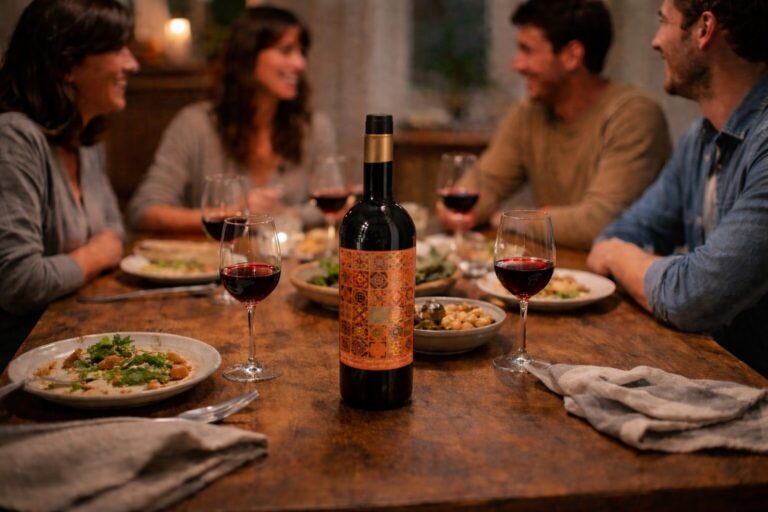
A glass poured with care, at a pace that respects the conversation, with water on the table and food present, can mean more than many bottles opened on autopilot. And be more memorable too.
Drinking better is, at heart, choosing to stay awake inside your own life, even when that life is tired.
The vineyard’s cycle as a mirror of life
The vineyard is a quiet school for anyone who knows how to look.
In winter there is dormancy. The plant seems still, almost absent. But it is not absence. It is preparation. Reserve. Active silence. Then life returns: budburst, growth, flowering. Summer brings effort, decisions, balance. Finally the harvest, which is both an end and a beginning.
And then rest again.
The vineyard’s cycle does not ask for haste. It asks for consistency. It asks us to accept what we do not control (frost, heat, rain) and to take responsibility for what we do: pruning, soil, plant health, the balance of the vine.
The turn of the year is a little like that. A close that is not a final ending. A beginning that is not a total break.
Perhaps that is why I like to think of 2026 as a cycle that continues. Because continuity is not resignation. It is maturity.
We do not need to promise a new life. We need to look after what we already have, with more awareness. As in the vineyard: you do not invent a plant from nothing every year. You work with what exists, with patience and with a long view of time.
When I speak of the cycles of wine, this is also what I mean: learning to inhabit time rather than trying to master it.
Entering 2026 with intention
Opening a bottle at the end of the year can be just a social gesture. But it can be more.
It can be a pause to acknowledge the road travelled. A way of entering 2026 without theatre, without quick promises, without the anxiety of “changing everything”. It can be simply this: being here, with intention.
Wine teaches me something I take into the next cycle: there is no elegance in haste. There is elegance in the right rhythm. In measure. In attention to detail. In the ability to wait.
If you open a bottle in these days, I hope it is with that awareness: not to mark a rupture, but to honour a continuity.
Because a new year does not begin when the clock changes. It begins when we choose again, calmly, what is worth it.
Further reading
- Drink Less, Drink Better: Trend, Necessity or a Return to Essentials?: how conscious drinking is changing wine culture, and why drinking better is a choice of presence.
- Winter in the Vineyard: When Nothing Happens, and Everything Is Being Decided (Casca Wines Journal): how the dormancy and silence of the vineyard are part of the wine that reaches the glass.